
Every few months, a new headline lands: "Google's algorithm has changed. This tactic is dead. That one doesn't work anymore."
And every time, business owners scramble — wondering whether to update their website, chase backlinks, post more content, or just give up and pay for ads.
Here's something most people won't tell you: nobody — not even the people who work at Google — can give you an exact breakdown of what drives your ranking. The algorithm considers hundreds of signals, and the weight of each one shifts constantly. So before we talk about whether free business directory listings help your SEO, let's talk about why that question misses the bigger point.
1. The Noise Around Google's Algorithm
You've probably heard people say things like: "Just focus on quality content" or "Only links from authoritative sites matter" or "Reviews don't directly affect rankings."
All of those things have some truth in them. None of them is the whole story.
The reality is that Google weighs dozens of factors simultaneously — domain age, backlinks, page speed, mobile usability, content quality, online reviews, brand mentions, local citations, social signals — and assigns each a weight that nobody outside Google's own ranking team knows for certain. Even insiders have said publicly that the system is too complex for any single person to fully map.
So when someone tells you "directory listings don't matter anymore," ask them: compared to what? And how exactly are you measuring that?
2. What Actually Goes Into a Search Ranking?
Think of your search ranking like a points system where the rules keep changing and nobody publishes the rulebook. What we do know, based on years of SEO research and Google's own guidance, is that the following factors play a role:
• Domain age and authority
• Quality and quantity of backlinks
• Consistent business information across the web (NAP — Name, Address, Phone)
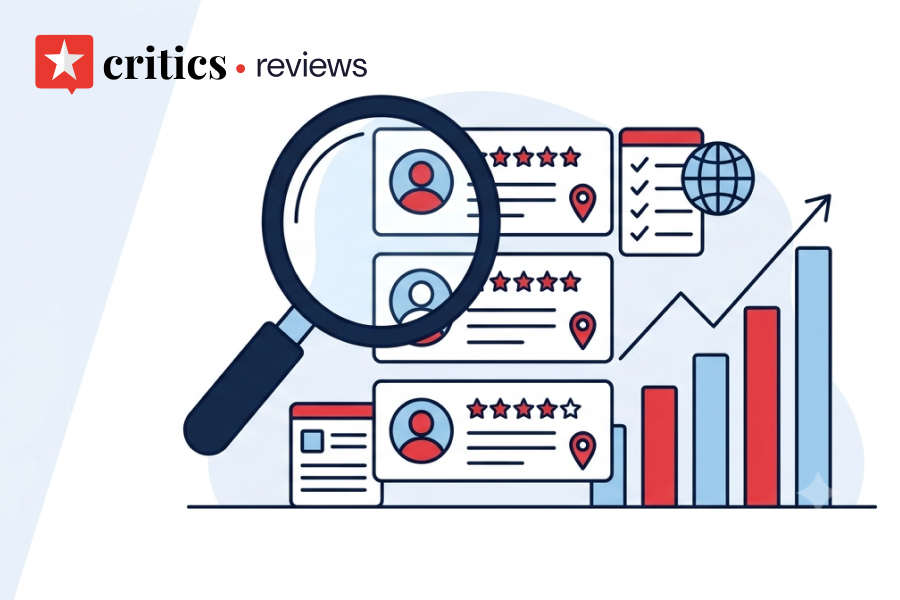
• Online reviews — volume, recency, and sentiment
• Local citations (mentions of your business on third-party sites)
• Content relevance and depth
• Brand search volume (how many people search for your name directly)
• Social signals and online presence
Notice how many of those are directly connected to being listed, reviewed, and mentioned on platforms outside your own website. That's where free business directory listings come in.
3. Why Free Business Directory Listings Still Matter
A well-maintained free business listing does several things at once:
It creates a citation. Every time your business name, address, and phone number appear consistently on a third-party platform, it signals to Google that your business is real, established, and trustworthy.
It builds a backlink. Most reputable directories provide a link back to your website. These aren't always high-power links, but they contribute to your overall backlink profile — especially for local search.
It generates reviews. Platforms like Google Business, Yelp, Trustpilot, and Critics.reviews give customers a place to leave reviews. Those reviews feed directly into Google's trust signals.
It puts you in front of a different audience. Many people discover businesses through directory searches rather than Google directly. These platforms have their own search traffic, and a listing there means another channel bringing customers to you.
It costs you nothing to start. For a free business listing, the return on effort is hard to beat. A few hours to set up a strong profile can pay off for years.
4. Third-Party Platforms vs. Your Own Website
Here's a dynamic worth understanding: customers don't fully trust reviews posted on your own website. They know you control what appears there. They know you can delete the bad ones.
Third-party platforms — Yelp , Trustpilot, Google Business , Critics.reviews — carry a level of independence that your own site simply can't replicate. When someone searches for "[your business name] reviews" and finds consistent praise on an external platform, that converts at a fundamentally different level than a testimonials page you built yourself.
Your website and your directory listings aren't competing with each other. They're working together. Think of your directory listings as satellites around your main website — each one adding to your gravitational pull in search.
5. Not All Directories Are Built the Same
This is where it gets important. There are thousands of free business listing directories online, and they are not all equal.
Some are legitimate platforms that have built real authority over years of genuine use. Yelp, Google Business, Trustpilot — these carry domain authority that passes real SEO value.
Others are low-quality link farms where anyone can list anything, reviews are unverified or easily faked, and the whole platform exists primarily to sell backlinks. These can actually harm your reputation if customers stumble across false reviews you never knew existed.
The difference comes down to three things: platform authority, review integrity, and whether the listing feels like a real business profile or just a data entry in a database.
6. How Critics.reviews Does It Differently
Critics.reviews was built specifically because the review and listing space has a trust problem.
Most platforms allow anyone to post a review — which means competitors can post fake negative reviews, disgruntled ex-employees can post misleading ones, and businesses themselves sometimes game the system with fake positives. It's a mess that harms genuine businesses and erodes consumer trust at the same time.
On Critics.reviews, only registered and verified users can post reviews. If you report a review that you believe is false or malicious, it gets manually investigated — not auto-filtered by an algorithm that can be gamed — and removed if it violates our standards.
We also don't allow SEO agencies to use our platform as a backlink farm. We've seen the pattern: bulk-registered business profiles with keyword-stuffed descriptions, posted purely to generate links for agency clients. That kind of abuse dilutes the platform's value for genuine businesses. We actively prevent it.
For smaller and emerging businesses especially, Critics.reviews offers featured placement — giving newer businesses visibility they wouldn't have the authority to earn on their own yet. Because good businesses deserve to be found, even when they're just getting started.
7. Which Businesses Are Listing Right Now — And Why
In the last month alone, approximately 500 businesses registered on Critics.reviews. The most common were plumbers, lawyers, and construction companies — all service businesses where local trust is everything.
That makes sense. If you're searching for a plumber at 9pm because your bathroom is flooding, you're not going to scroll through a company's own website testimonials. You're going to look for reviews on a platform you trust, from people who've actually had work done.
Service businesses live and die on local reputation. A free business listing on a trusted directory, with genuine reviews, is one of the most direct ways to build that reputation online — and to make sure you're visible when a local customer needs you most.
8. How to Get the Most Out of a Free Listing
A listing left half-finished is wasted potential. Treat your directory profile the same way you'd treat your own website:
• Complete every field. Name, address, phone number, website — and keep them identical across every platform. Inconsistency confuses Google.
• Write a real description. At least 1,000 characters. In your own voice. What you do, who you serve, what makes you different. Not AI copy-paste.
• Add your categories and services accurately. The right categories get you in front of the right searches.
• Ask real customers for reviews. Five to ten genuine reviews early on can meaningfully improve how your listing performs in search.
• Keep it updated. A listing with outdated hours or an old phone number actively hurts you — both with customers and with search engines.
9. The Bottom Line
Do free business directory listings help your SEO? Yes — as part of a wider strategy, not as a magic bullet.
Building a brand online isn't a single-technique game. It's a combination of signals — content, backlinks, reviews, citations, local presence — that together tell Google and potential customers that your business is real, trustworthy, and worth ranking.
Nobody can give you the exact percentage breakdown of how much each factor matters. But ignoring any of them — especially the ones that are free — doesn't make strategic sense.
Start with a strong listing on a platform that cares about integrity. Collect genuine reviews. Keep your information consistent. And treat your online presence as something you build steadily — not something you fix once and forget.
Ready to list your business free? Add your listing on Critics.reviews and start building the kind of online presence that lasts.
Add your business free or write a review for a business you have used.